-1.jpg)
In this article
- Why is there a cooling break at the 2026 World Cup?
- Protection or Profit? Why the World Cup’s Mandatory Hydration Breaks Have Split the Soccer World
- Heat-Related Risks: Why Soccer Player Safety Demands the Pause
- From Soccer Pitch to the Factory Floor – The Regulatory Reality of Heat Safety
- The Big Misconception: "Didn't OSHA's Heat Program Expire?"
- The Legal Reality: The General Duty Clause Never Expires
- Geographic Regulatory Risks for Employers in World Cup Host Cities
- How to Protect Your "Industrial Athletes" from Heat Hazards?
On June 11, 2026, the FIFA World Cup officially kicked off across North America, capturing the attention of millions. As matches get underway in soaring summer temperatures, a major talking point in sports media has been the introduction of mandatory "hydration breaks" for soccer players on the pitch.
Key highlights:
- Why have mandated hydration breaks faced criticism?
- If you operate near World Cup host cities, are you fully compliant with strict, localized state mandates, such as Cal/OSHA?
- The legal reality of preventing heat hazards
Why is there a cooling break at the 2026 World Cup?
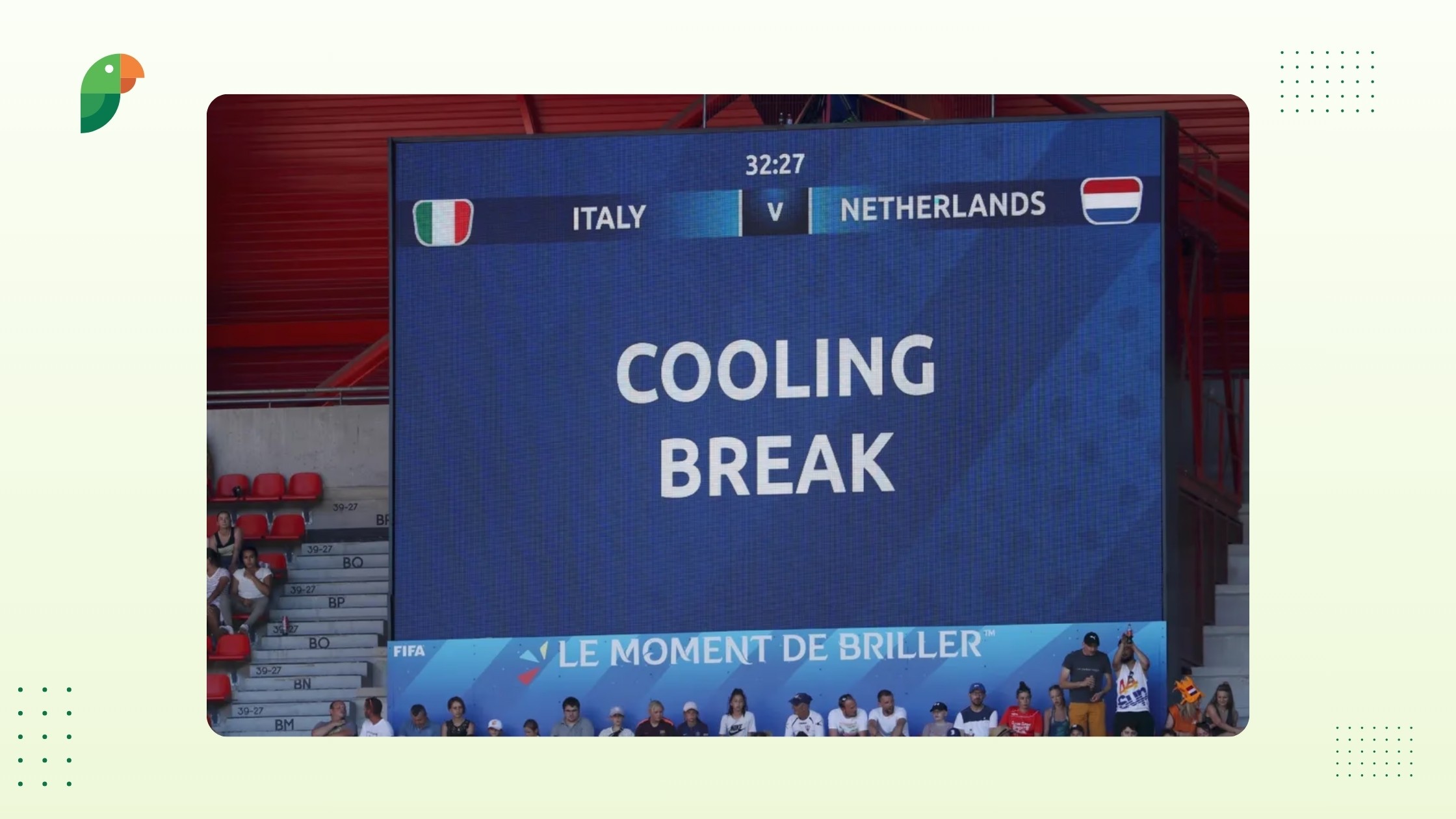
A screen inside the stadium indicates a cooling break. Source: ©Robert Cianflone/Getty Images
One of the main takeaways from last summer's revamped Club World Cup in the United States was the extreme heat during many of the matches. Coaches and players expressed strong concerns about the conditions.
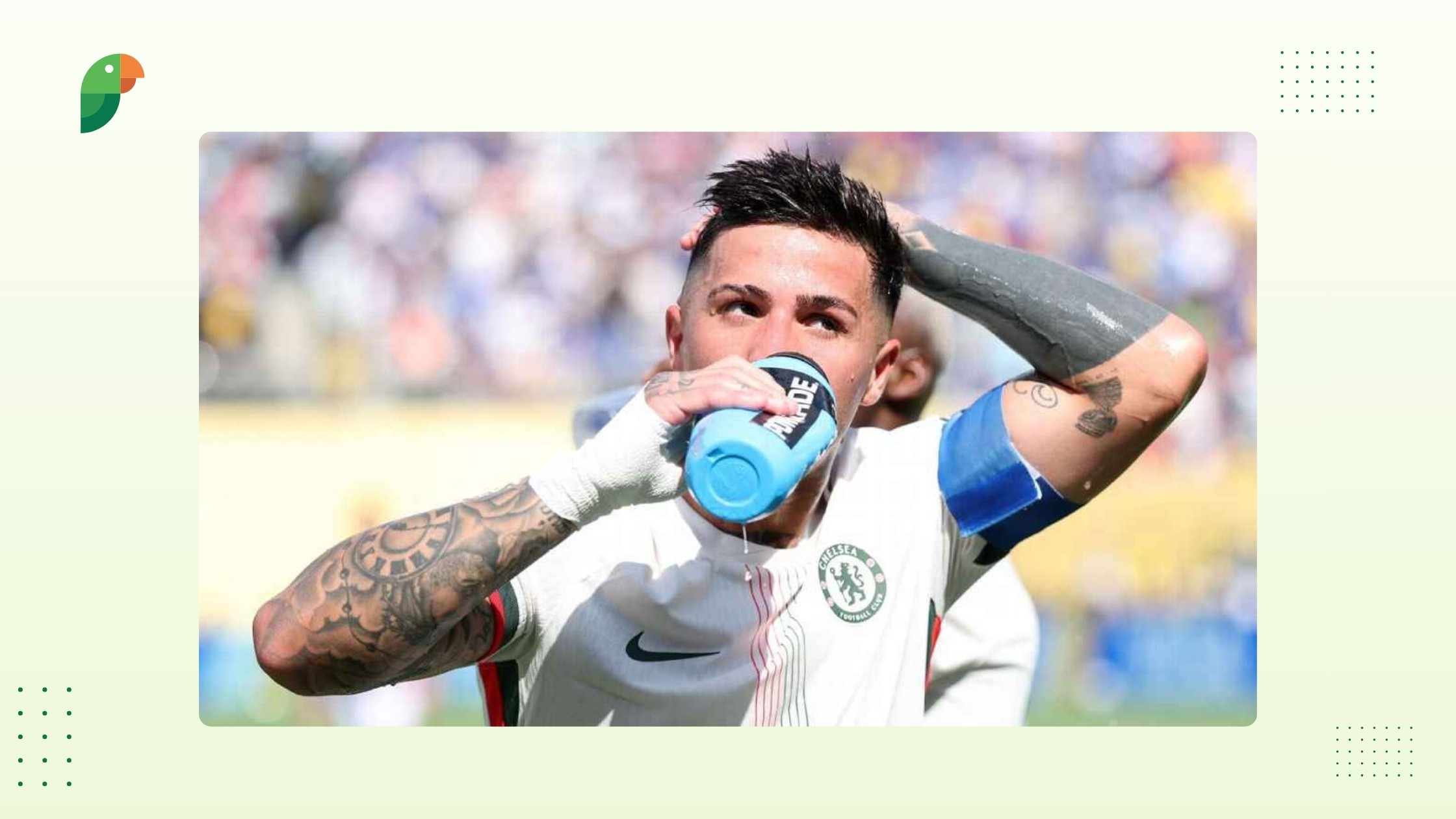
Chelsea and Argentina midfielder Enzo Fernández noted that he felt "really dizzy" while playing in what he described as "very dangerous" temperatures during last summer's Club World Cup in the United States. Source: Elsa - FIFA/FIFA via Getty Images
Drawing on previous experience, FIFA, the international governing body for soccer, has introduced the concept of hydration breaks to safeguard players’ welfare in hot weather.
The three-minute breaks are now obligatory during every match and take place in the middle of each half.
It’s important to notice that FIFA has already instituted hydration breaks in past tournaments. However, the 2026 World Cup will be the first time these breaks are mandatory for all 104 matches, regardless of the actual weather conditions or whether the game is being played in an indoor stadium.
Protection or Profit? Why the World Cup’s Mandatory Hydration Breaks Have Split the Soccer World
Soccer fans and pundits are locked in a fierce debate over a rule change that is fundamentally altering the flow of the game. For generations, soccer has been defined by its sacred, continuously running 90-minute clock, split into two grueling 45-minute halves with no formal stoppages.
Implementing obligatory hydration breaks at this year’s World Cup has evoked mixed reactions among players, coaches, and spectators. As U.S. men’s national team head coach Mauricio Pochettino commented, having a cooling break makes sense only in extreme conditions. In low temperatures, it becomes unnecessary.
The cooling breaks heavily alter the flow of matches, splitting them into four quarters for the first time.
The change, while subtle on the surface, is shaping a new rhythm for the world’s most-watched sport. It transforms the energy in the stadium into a brief, collective pause. Broadcast networks use this opportunity to increase advertising revenue by filling this time with commercials, which impacts the viewing experience for audiences watching the event on TV.
Even though FIFA has officially stated that broadcasters can only air advertisements for 20 seconds after a break begins and must return to the game 30 seconds before play resumes, some broadcasters have already violated this rule. Fox Sports has faced criticism for airing full-screen commercials that exceeded the allowed time, causing fans to miss the live restarts of the game.
Critics argue that hydration breaks disrupt the game's natural rhythm, penalizing teams that are in a "strong flow". They visibly derail the game's momentum, creating a pocket of on-field tactical scrambling.
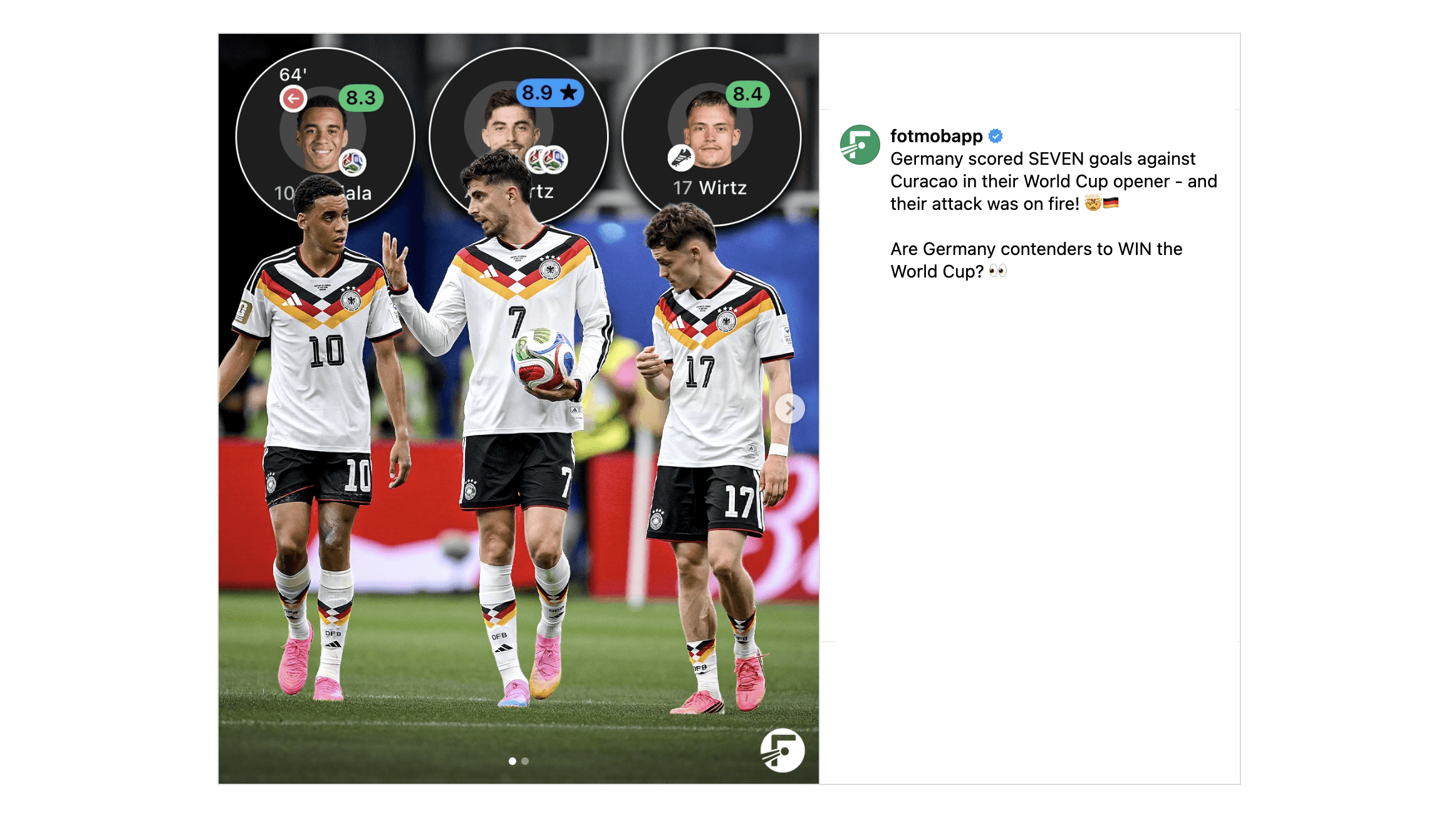
Source: https://www.instagram.com/fotmobapp
For instance, during Curaçao's opening match against Germany, Curaçao scored an equalizer right before the referee blew the whistle for the break. This completely halted their momentum, allowing the Germans to regroup and eventually win 7-1.
On the other hand, Alexi Lalas, a former American soccer player and Fox Sports commentator, stated that he has "no problem" with hydration breaks, highlighting it’s a win-win solution for both players and advertisers.
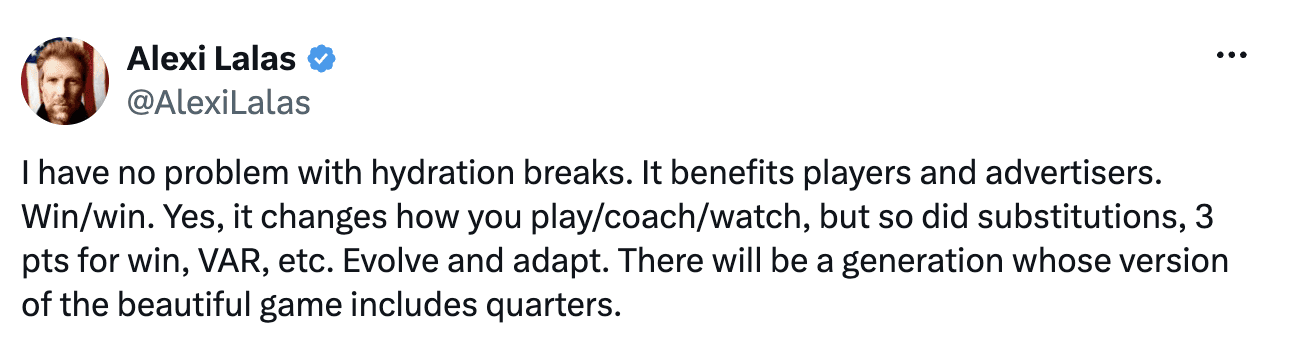
Source: https://x.com/AlexiLalas/
Heat-Related Risks: Why Soccer Player Safety Demands the Pause
Beneath the noise lies a brutal medical reality. During a standard 90-minute match, a midfielder can easily run upwards of seven to nine miles. When you drop that level of extreme physical exertion into the suffocating humidity and high summer temperatures typical of North American host cities, the human body hits a hard biological ceiling.
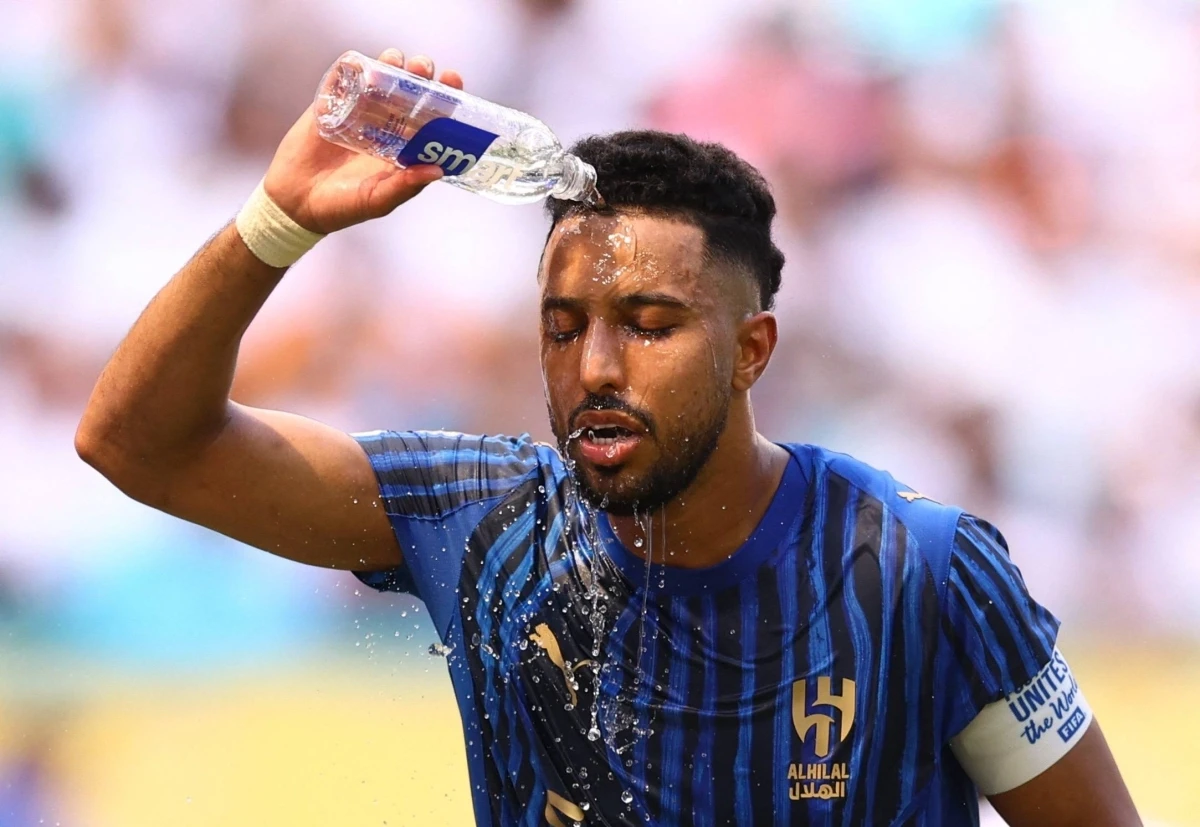
Al Hilal's Salem Al-Dawsari pours water on his face during a break in play at the Club World Cup in Miami Gardens, Florida, on June 18. Source: REUTERS
While coastal regions maintain moderate warmth, inland and southern regions—especially areas in Texas, Florida, and Monterrey—frequently face scorching summer heat peaks that can exceed 95°F, often accompanied by high humidity or intense afternoon sun.
Without proactive intervention, a player's core body temperature can skyrocket to dangerous thresholds in a matter of minutes. By making these hydration breaks strictly mandatory, FIFA has effectively removed the burden of choice from competitive coaches and athletes who might otherwise downplay their symptoms to stay on the pitch. The three-minute pause is a calculated safety procedure designed to mitigate health risks, such as heat stroke, dehydration, and cardiac strain.
The hydration breaks in the World Cup remind us of the heat risks faced by all outdoor workers. U.S. employers must address these risks by providing hydration breaks on hot days, which is driven by the OSHA’s recent administrative actions. The Occupational Safety and Health Administration is increasing its enforcement of safety requirements for preventing heat-related issues, both outdoors and indoors.
From Soccer Pitch to the Factory Floor – The Regulatory Reality of Heat Safety
Implemented under the banner of player welfare, this 180-second pause has not only sparked fierce commercial controversy but also cast a stark spotlight on a parallel battle off the pitch: the escalating regulatory focus on U.S. workplace heat standards.
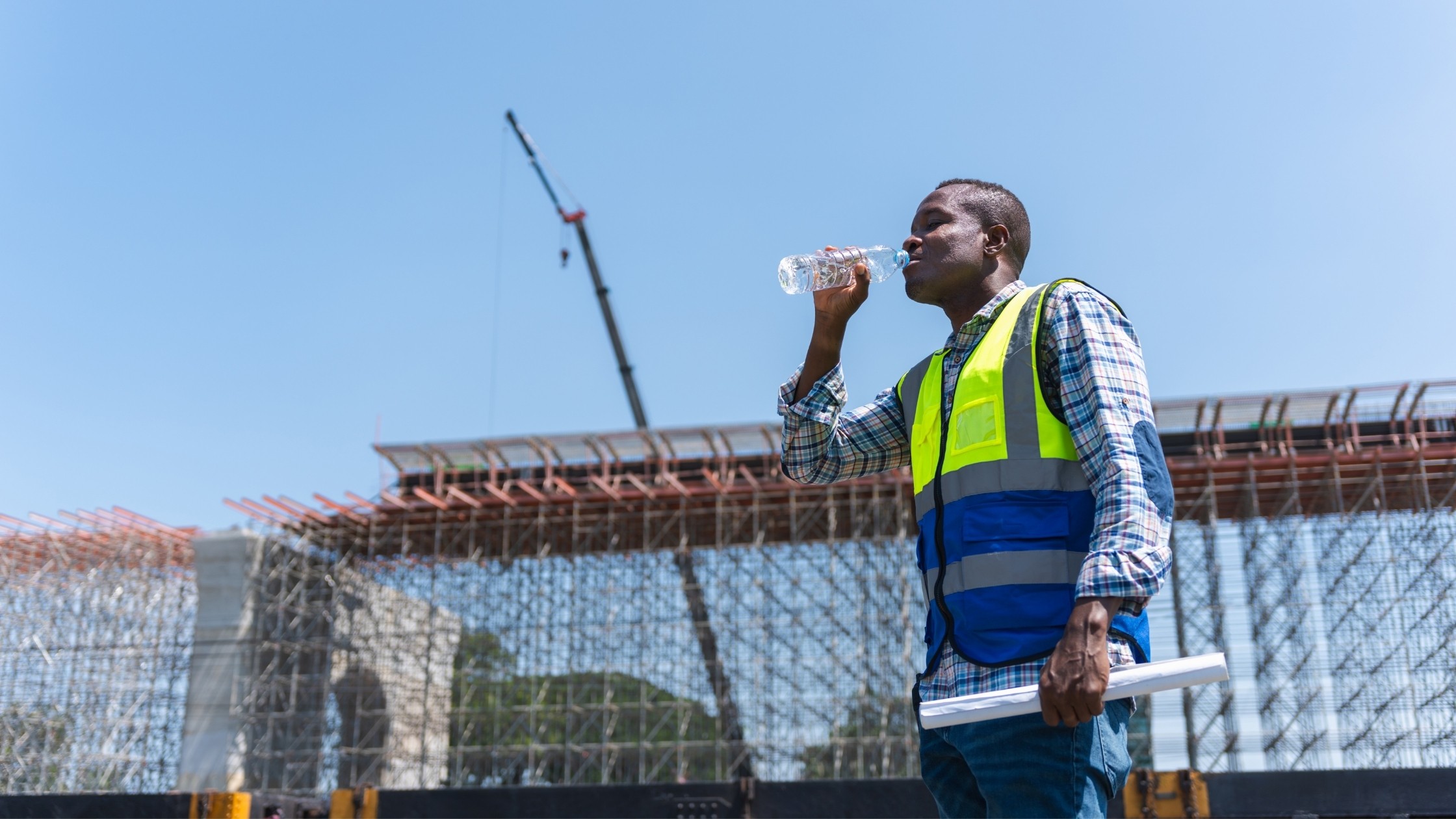
While the world watches soccer players get highly publicized water breaks, the legal rules protecting your actual workforce have quietly turned into a confusing puzzle.
If you are an industrial risk manager or safety director, you might be asking: What am I legally required to do right now? Let’s break down the confusing legal jargon and look at the 2026 regulatory situation.
Here is what the intersection of the 2026 World Cup and the current federal legal environment teaches us about your ongoing obligation to prevent heat hazards.
The Big Misconception: "Didn't OSHA's Heat Program Expire?"
A dangerous compliance misconception is currently circulating through corporate boardrooms. If you've been keeping an eye on Washington, you might have heard some rumors that federal heat regulations are taking a back seat. Two things did happen recently that are causing a lot of confusion:
- The Heat NEP Expired: On April 8, 2026, Federal OSHA’s landmark Heat National Emphasis Program (NEP) officially expired. However, just two days later, on April 10, 2026, OSHA launched a revised and expanded Heat NEP(OSHA Directive CPL 03-00-024). This new program expands target tracking to 55 high-risk industries and is locked in to run through April 2031.
- The Nationwide "Heat Injury and Illness Prevention" Standard Stalled in Administrative Pipeline: OSHA has been trying for years to pass a permanent, official nationwide law for heat safety, but that process is currently stuck in administrative impasse with no clear target date for finalization in sight.
While the formal nationwide law is delayed and the original 2022 National Emphasis Program (NEP) expired on April 8, 2026, OSHA did not loosen regulations. Instead, they immediately replaced it with a stricter enforcement tool.
Assuming the regular pressure is off is a massive compliance trap that could cost your company hundreds of thousands of dollars—or worse, a worker's life.
Even though a permanent, standalone "Heat Injury and Illness Prevention" law has not been finalized yet, OSHA is treating heat as a major priority and has significantly intensified its regulatory pressure:
- Ramped Up Enforcement: OSHA has massively increased unannounced heat-related inspections, going from roughly 200 per year to approximately 2,400 per year.
Heat hazards now account for about 6% of all OSHA inspections.
- General Duty Clause: In the absence of a specific federal standard, OSHA aggressively uses the OSH Act's "General Duty Clause" to penalize employers who fail to provide water, rest, and shade.
The Legal Reality: The General Duty Clause Never Expires
The end of a specific program or the delay of a permanent rule does not free an industrial employer from responsibility. As federal oversight changes, OSHA compliance officers are relying on their most dependable enforcement tool: Section 5(a)(1) of the OSH Act, widely known as the General Duty Clause.
Under the General Duty Clause, employers are legally mandated to furnish a workplace free from recognized hazards that are causing or are likely to cause death or serious physical harm.
In other words, it means that an employer must provide a workplace that is free from recognized hazards that are causing, or are likely to cause, death or serious physical harm.
Does extreme summer heat count as a "recognized hazard" in heavy industry? Absolutely. OSHA doesn’t need a newly established 2026 heat law to fine a contractor or a factory owner. If a compliance officer walks onto your job site on an 85°F day and sees your crew stumbling around with no shade, no water, and no plan, they will cite you under the General Duty Clause. The legal baseline has not changed: you still have a strict, permanent obligation to prevent heat hazards.
Geographic Regulatory Risks for Employers in World Cup Host Cities
The World Cup 2026 situation highlights a major geographic risk vector for multi-state contractors and industrial operators. Matches are being played across 11 U.S. host cities, placing a massive spotlight on major industrial hubs like Los Angeles, Houston, Dallas, Seattle, and the New York/New Jersey corridor.
While federal rules remain stuck in bureaucratic limbo, state-level regulatory bodies have aggressively filled the void. If your operations are located in or near World Cup host cities within State-Plan jurisdictions—such as California (Cal/OSHA) or Washington—you are bound by rigid, unyielding state laws.
State labor laws dictate rigid, predetermined temperature thresholds. For example:
- Cal/OSHA requires shade to be present at 80°F and activates strict high-heat procedures (such as observation and mandatory rest schedules) at 95°F for industries like construction or agriculture.
- Washington State L&I requires a continuous supply of cool water and initiates mandatory cool-down rest periods at high-heat thresholds of 90°F and 100°F.
In these states, failing to provide water, shade, and structured rest breaks (similar to those on World Cup pitches) isn't just an oversight; it's a heavily penalized violation of state labor codes.
How to Protect Your "Industrial Athletes" from Heat Hazards?
While the world watches soccer players get highly publicized water breaks, what about the crews in deep trenches, the workers on refinery rigs, or the teams in un-air-conditioned manufacturing plants? They are doing heavy, exhausting labor, often wrapped in thick, non-breathable Personal Protective Equipment (PPE).
So, how do you take these safety lessons off the pitch and put them to work? To shield your organization from catastrophic General Duty Clause citations and protect your workforce, your safety program must shift from a reactive to a proactive, structured framework. Follow this pre-audit checklist to grade your job sites today:
- Trigger the 80°F Threshold: Do not wait for a formal heat wave. Establish a corporate policy where mandatory heat mitigation protocols automatically activate the moment the local heat index hits 80°F.
- Mandate Structured Rest Intervals: Emulate the World Cup. When high-heat thresholds are met, supervisors must enforce mandatory, paid rest and hydration breaks in shaded or climate-controlled areas.
- Enforce a Strict Acclimatization Schedule: EHS data shows that a vast majority of severe industrial heat fatalities occur within a worker’s first week on the job. Implement a 7-to-14-day graduated workload system for all new hires and returning subcontractors to safely build heat tolerance.
- Designate a Heat Safety Rep: Appoint a specific site supervisor or foreman on every shift tasked exclusively with monitoring localized weather data, tracking worker exertion levels, and ensuring third-party contractors are adhering to safety boundaries.
- Document Everything: Ensure your written safety plans explicitly outline your protocols to prevent heat hazards. If it isn't documented in your safety logs, from an inspector's point of view, it never happened.
The 2026 World Cup serves as a reminder that heat safety is a high-visibility, non-negotiable duty of care. By treating your field crews with the same defensive, preventative focus given to professional athletes, you protect both your people and your bottom line.
Sources:
- https://www.osha.gov/heat-exposure
- https://www.forbes.com/sites/antoniopequenoiv/2026/06/16/world-cup-hydration-breaks-are-dividing-teams-and-observers-heres-why/
- https://www.reuters.com/sports/soccer/hydration-breaks-heat-up-world-cup-debate-with-players-coaches-split-new-rule-2026-06-15/
- https://www.sportresolutions.com/news/fox-sports-cleared-after-fifa-advertising-rule-violation
- https://www.espn.com/soccer/story/_/id/49080670/are-world-cup-hydration-breaks-actually-commercial-breaks-momentum-breaks

Written by
The Parakeet TeamIndustrial risk insights from the Parakeet Risk team.