In this article
- Impact of NASA’s Risk and Safety Culture Rules in Key Sectors
- Key Principles of NASA Zero-Error Mindset Applied to Terrestrial Industries
- From Spacecraft to Factory Floor: NASA Innovations Transforming Manufacturing
- Space-Grade Energy Storage
- 🔋 Case Studies of Power Storage Resilience
- Software & Autonomous Systems: Safety-Critical Coding
- Red Canyon Software: Autonomous Operational Continuity
- Key Takeaway
Learn how advanced engineering, proactive safety culture, and rigorous standards are being applied across industries to reduce risks and enable ambitious new missions.
Space security is a profound psychological framework for survival. This comes directly from the nature of orbital operations. In space, the danger is always present, and even the most experienced crews face uncertainty while making decisions with no room for error during every mission. This is why NASA has mastered its risk management strategies. These rigorous principles are now being applied to transform industries here on Earth—such as energy, manufacturing, and healthcare—where a single failure can result in significant loss.
Impact of NASA’s Risk and Safety Culture Rules in Key Sectors
NASA's rigorous engineering standards, safety culture, and risk management principles are increasingly being adapted for terrestrial industries—particularly energy, manufacturing, and healthcare—to prevent catastrophic failures and enhance reliability in high-stakes environments. These principles focus on anticipating failure rather than reacting to it, integrating human factors, and employing exhaustive verification processes.
NASA’s technology and risk management principles are setting new standards for industrial safety worldwide.
Innovations originally created to keep astronauts safe—such as advanced materials engineering, real-time monitoring systems, and predictive maintenance tools—are now being adapted to protect workers and assets in factories, energy plants, and other high-stakes environments.
Key Principles of NASA Zero-Error Mindset Applied to Terrestrial Industries
Central to NASA’s approach is the use of data-driven risk assessments and rigorous safety protocols, which replace guesswork and intuition with structured, logic-based decision-making. For example:
- Probabilistic Risk Assessment (PRA) models pioneered by NASA help industries anticipate potential failures before they occur, allowing for preventative action and continuous improvement.
- Systems Engineering: Utilizing structured approaches such as model-based systems engineering (MBSE) and Human Systems Integration (HSI) to ensure hardware, software, and human operators function safely together.
- Rigorous Quality Assurance: Implementing strict manufacturing specifications and non-destructive evaluations (NDE), similar to those used in aerospace, for critical components in Earth-based manufacturing.
Additionally, NASA’s emphasis on a “zero-error mindset” fosters a safety culture where every team member is trained to identify hazards, report near-misses, and learn from small incidents before they escalate.
This Proactive Risk Management stems from NASA's experience in minimizing loss of life and safeguarding missions. As a result, industries adopting this approach are better equipped to anticipate and mitigate risks, creating safer and more resilient workplaces.
By integrating proven risk management strategies, businesses can dramatically reduce accidents, minimize downtime, and build resilient operations that withstand unexpected challenges.
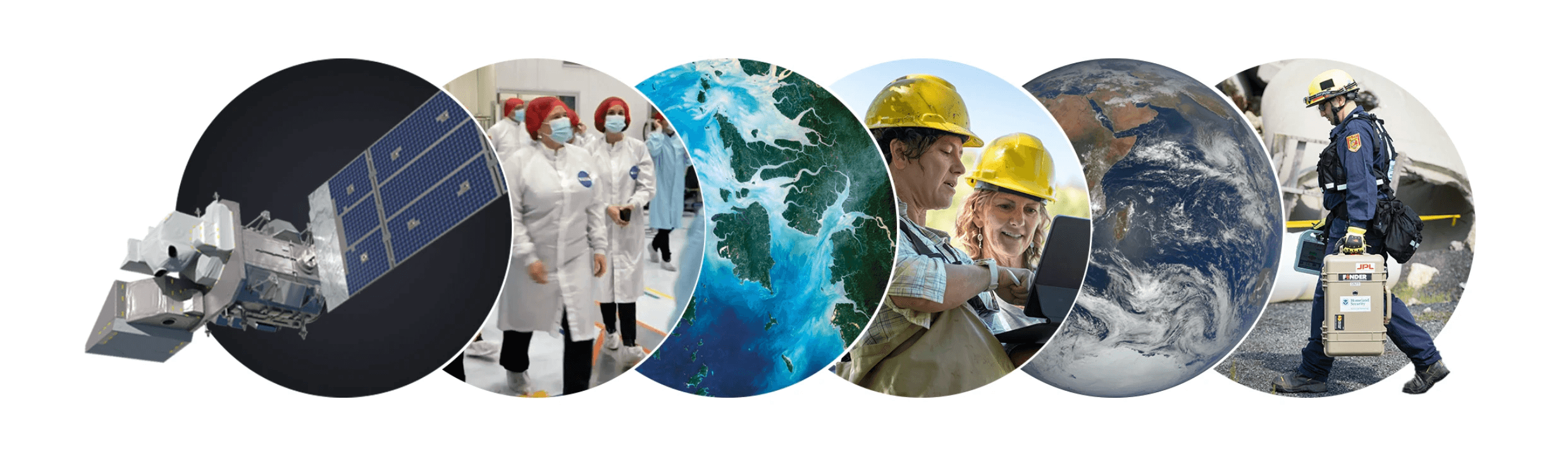
Through its "Earth Science to Action Strategy," NASA is explicitly applying its research to support public health, sustainable infrastructure, and renewable energy to improve safety and reliability across various sectors.
From Spacecraft to Factory Floor: NASA Innovations Transforming Manufacturing
Advanced engineering techniques first developed for spacecraft now directly enhance additive manufacturing and biomedical research by enabling stronger, safer, and more reliable components for industry. Techniques like friction stir deposition—pioneered for space exploration—allow for the production of defect-resistant components in additive manufacturing and biomedical fields.
📚 You may find it interesting
Read about Contractors & Costs driving the Artemis II mission
NASA’s Human Systems Integration (HSI) system is reshaping industrial safety by designing workplaces that account for human factors such as fatigue and cognitive overload, helping to prevent accidents before they happen.
This culture of rigorous quality assurance, precise risk modeling, and logic-driven decision-making—hallmarks of NASA’s zero-error mindset—has been adopted by factories, energy operators, and hospitals to minimize catastrophic failures.
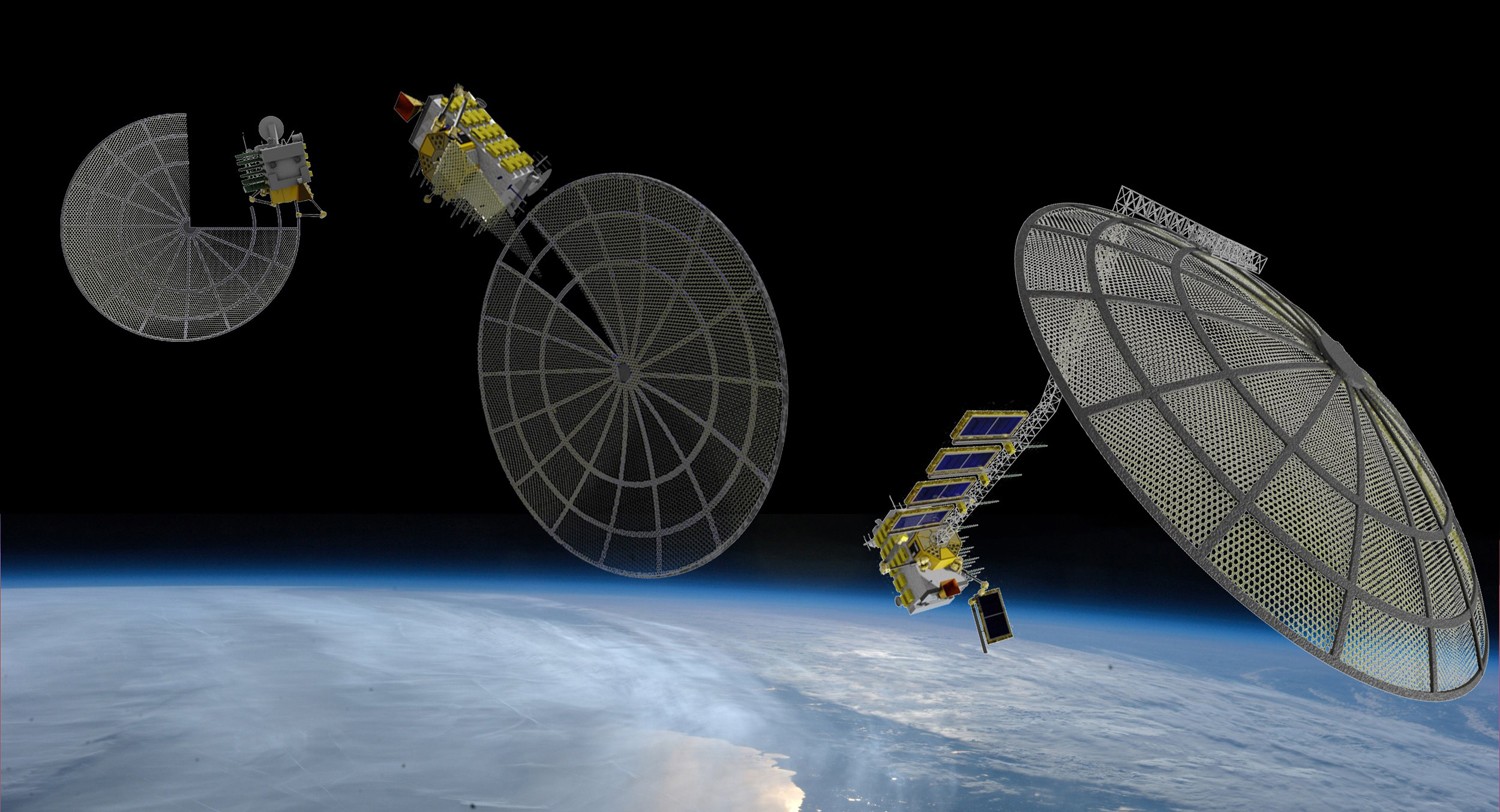
Versatile In-Space Robotic Precision Manufacturing and Assembly System. Source: techport.nasa.gov
Projects like Archinaut and breakthroughs in in-space manufacturing, such as bioprinting, are revolutionizing materials science. By following NASA’s proven blueprint, industries are achieving new levels of resilience and operational safety once thought possible only in space.
Space-Grade Energy Storage
NASA’s rigorous safety and engineering standards—developed for the extreme conditions of space—are now being leveraged to make energy infrastructure safer and more resilient. Extreme durability, once a prerequisite for space hardware, is now a guiding principle in stabilizing power grids and managing high-hazard operations.
- Smart Grid & Storage: NASA-engineered nickel-hydrogen batteries, renowned for their longevity and reliability in orbit, are being commercialized as robust, high-safety energy storage solutions for power grids.
- Predictive Maintenance: Monitoring tools, originally developed to track the Orion heat shield, are now used to inspect the structural integrity of advanced materials in both the energy and maritime sectors, preventing costly failures before they occur.
- Wind Energy: Doppler lidar systems—initially designed to study atmospheric conditions for spaceflight—now deliver real-time wind warnings to protect commercial wind turbine blades from damage.
These pioneering technologies and risk management methods, proven in the unforgiving environment of space, are redefining what’s possible for industrial safety and reliability.
🚀 Explore More
Go behind the scenes of the Artemis II mission to learn about Strategic Supply Chain Lessons
🔋 Case Studies of Power Storage Resilience
In the quest for a more stable energy grid, the biggest challenge is longevity and safety. To solve this, companies are looking to technologies that have already survived the harshest environment known to man. Thus, they are integrating advanced monitoring tools, such as predictive analytics for environmental hazards and air quality sensors, to enhance situational awareness and environmental resilience.
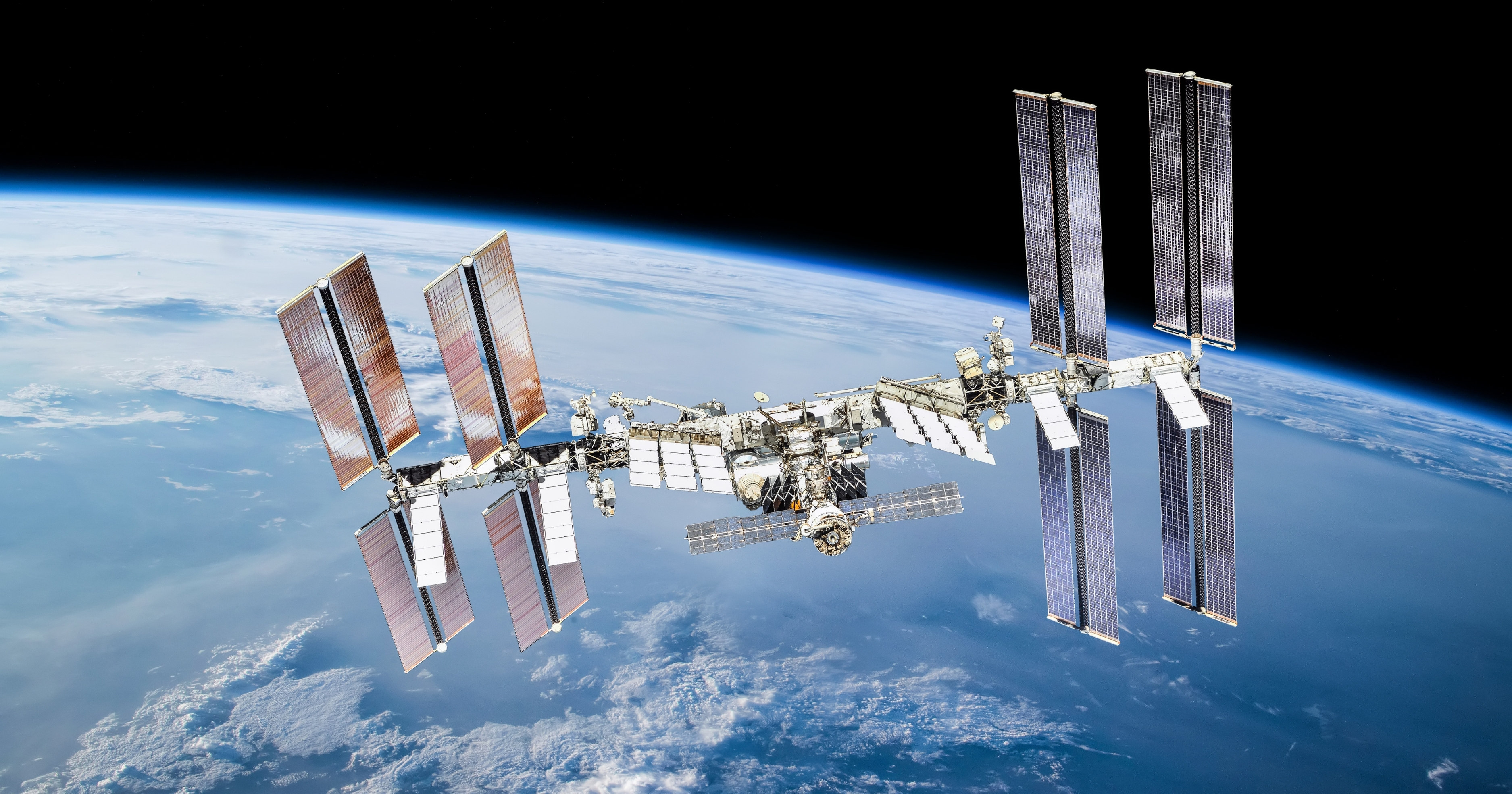
These are the companies that have applied the International Space Station’s power and safety architectures to the industrial setting:
- EnerVenue: Nickel-Hydrogen Grid Storage
In the transition to renewable energy, grid-scale storage requires a lifespan that standard lithium-ion batteries cannot match. EnerVenue has addressed this by licensing NASA’s nickel-hydrogen battery technology, the same chemistry used to power the International Space Station and the Hubble Space Telescope for decades. They have adapted it for grid-scale storage, offering a battery that can last 30 years and 30,000 cycles—far outperforming standard lithium-ion alternatives.
- KULR Technology Group: Thermal Runaway Prevention
In early 2024, KULR secured an exclusive global license for NASA's battery safety technology. They use a specialized "thermal runaway" shield to prevent catastrophic battery fires in electric vehicles and industrial storage systems.
Mechanism: The specialized shield prevents a single malfunctioning battery cell from triggering a chain reaction in adjacent cells.
This space-grade safety architecture is now integrated into EV fleets and heavy-industry energy systems to prevent catastrophic fires.
Software & Autonomous Systems: Safety-Critical Coding
NASA's coding standards are the gold standard for "zero-error" software environments. Manufacturers of autonomous vehicles and industrial robots follow NASA’s 10 Rules for Developing Safety-Critical Code.
These rules eliminate high-risk practices—such as dynamic memory allocation and complex control flows—to ensure that software is mathematically verifiable and resistant to crashes.
- Green Hills Software: Automotive Security
The same platform managing safety-critical code for the Orion Spacecraft is now utilized in the automotive sector. Green Hills Software licenses its platform to manufacturers to secure the software-defined vehicles of the future. At CES 2026, they demonstrated integrated driver monitoring systems that use NASA-level security to prevent cyberattacks on autonomous vehicle control systems.
Red Canyon Software: Autonomous Operational Continuity
For systems operating in remote environments where human intervention is impossible, reliability is the only metric for success. Red Canyon Software utilizes NASA’s Core Flight System (cFS)—an open-source architecture designed for long-term autonomous orbital flight—to support companies like Sidus Space. This architecture allows satellite constellations and industrial robots to recover from errors independently, ensuring operational continuity without human input.
📝 Read the Highlights
We’ve curated the most impactful expert quotes in our latest Substack note: Translating NASA’s Zero-Error Mindset
Key Takeaway
By licensing NASA’s specialized hardware and adopting its "zero-error" coding standards, these companies have moved industrial safety from a reactive model to a proactive, engineered certainty. This technology transfer ensures that critical business infrastructure on Earth meets the same reliability standards as deep-space missions.
🎧 Listen: Tune into the podcast episode with Dr. Jim Peters and Dr. Lou Carfagno, who share insights on Lessons Heavy Industry Can Learn from NASA's High-Consequence Safety Culture 👇👇👇

Written by
The Parakeet TeamIndustrial risk insights from the Parakeet Risk team.