How does the Iran-U.S. war dominate the world's energy agenda?
Noticias Industriales
28 may 2026
Every headline out of Washington and Tehran dictates the price of a barrel of oil, but the real story is unfolding in the water. Beneath fragile ceasefire talks lies a paralyzed Strait of Hormuz and depleted global inventories—creating a supply deficit that American shale cannot drill its way out of fast enough.
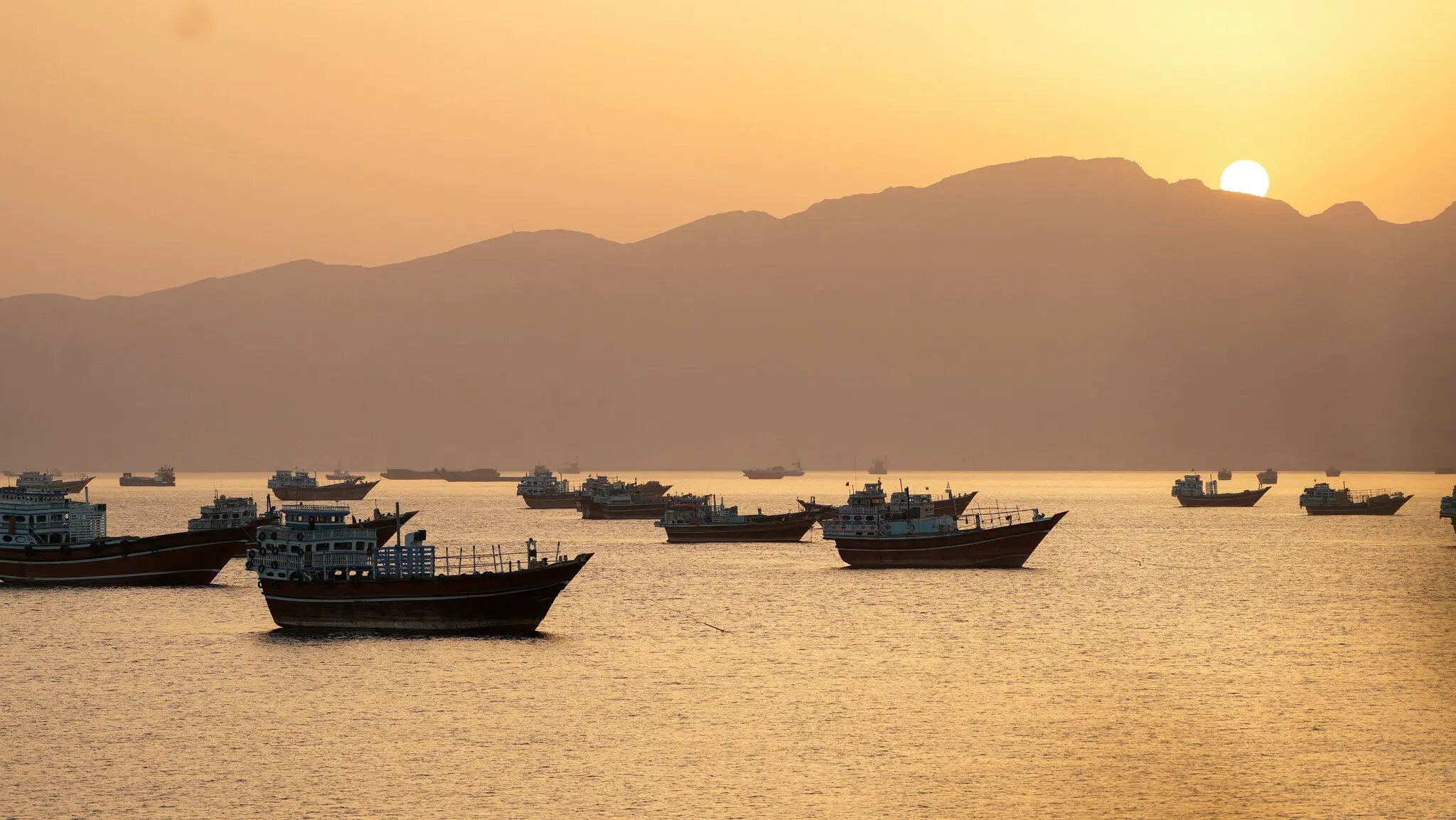
Vessels sail through the Strait of Hormuz. Credit: Reuters
The global energy sector is spiraling toward a critical "red zone" as the protracted US-Iran conflict tightens its stranglehold on the Strait of Hormuz, exposing the world’s fuel supplies to unprecedented systemic risks.
With daily shipping transits decimated, commercial vessels subjected to exorbitant "security fees" under de facto Iranian control, and Iraq’s oil exports in near-total collapse, international energy markets are facing a dangerous multi-front threat:
Severe Supply Disruptions: A near-total paralysis of the world’s most critical maritime chokepoint for crude oil and liquefied natural gas (LNG).
Extreme Market Volatility: Unpredictable, reactionary price swings triggered by fragile headline diplomacy and a lack of market safety cushions.
Depleted Global Buffers: Rapidly dwindling global inventories—driven by historic drawdowns of emergency reserves—leaving the global economy highly vulnerable to any further logistical shocks.
As the geopolitical standoff deepens, energy analysts warn that the weaponization of the strait is forcing a chaotic, permanent reorganization of global energy flows that non-Middle Eastern production cannot scale fast enough to mitigate.
Oil Prices Decline Amid U.S.-Iran Talks
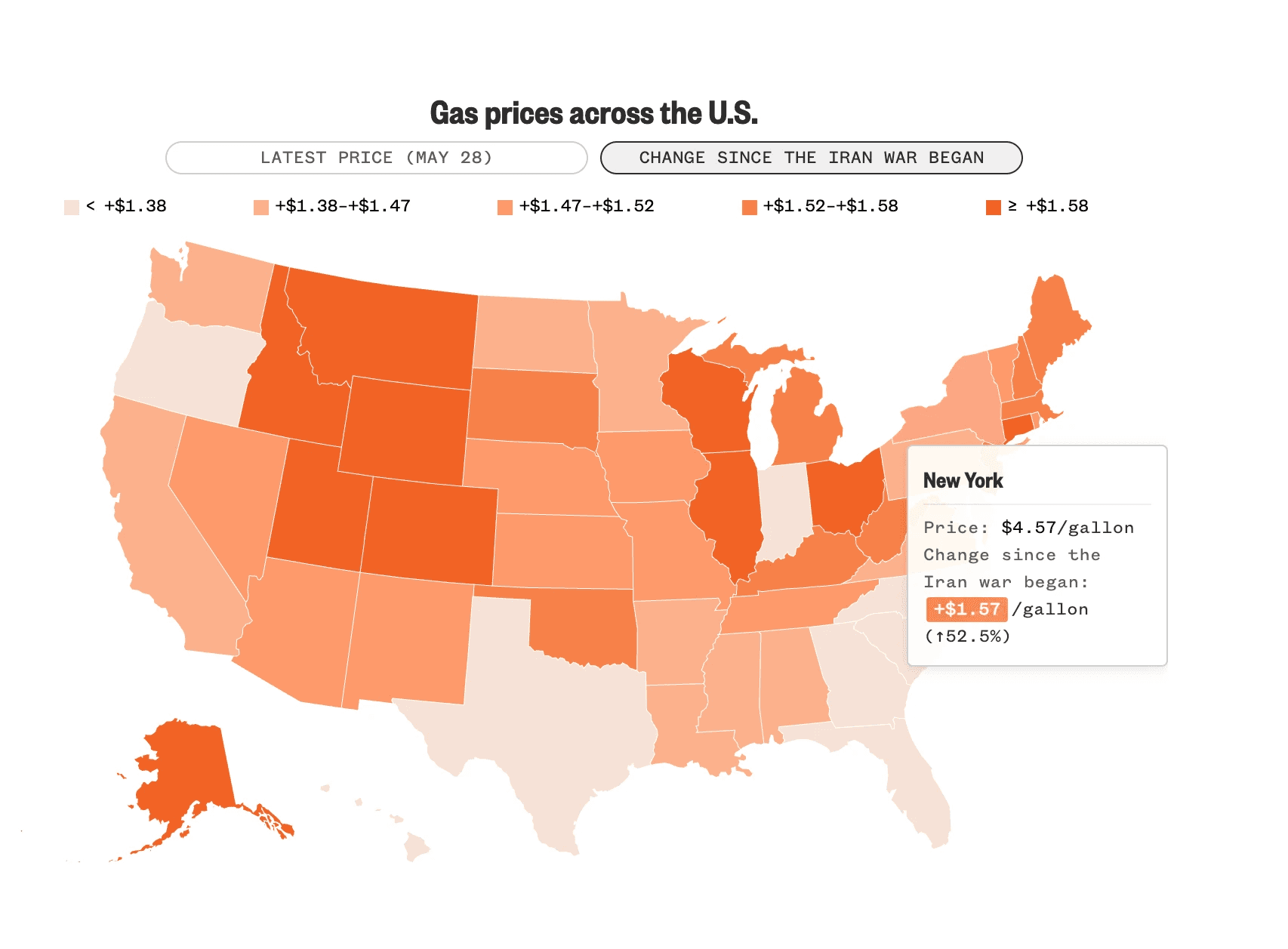
A map showing how much energy costs are rising amid the Iran war. Source: CBS News
Oil prices dropped by around 3% on Wednesday as traders assessed the progress of U.S.-Iran peace talks against a backdrop of renewed hostilities. Brent crude futures fell by $2.67, or 2.68%, to $96.91 per barrel by 11:39 GMT, while U.S. West Texas Intermediate (WTI) crude declined by $3.43, or 3.65%, to $90.46 per barrel.
These losses reversed some of Brent's gains from the previous day.
This refers to the Strait of Hormuz, which is vital for global oil and gas transportation. On Tuesday, July Brent futures had risen by 3.6% after the U.S. conducted new strikes in Iran, diminishing hopes that had emerged over the weekend for a peace deal between Washington and Tehran.
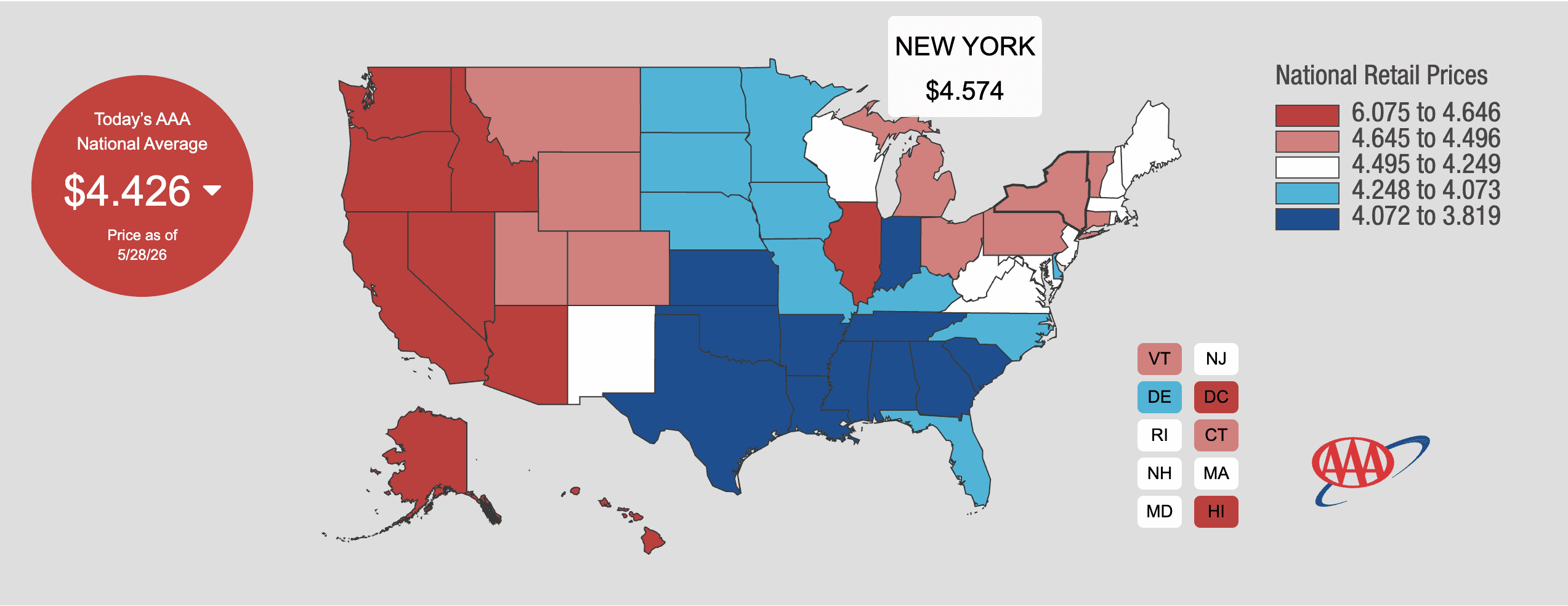
National Average Gas Prices. Source: https://gasprices.aaa.com/
Iran claimed on Tuesday that the U.S. had violated a ceasefire by attacking targets near the Strait of Hormuz, while Washington maintained that its strikes were defensive in nature.
Market Volatility and Fragile Peace Negotiations
The geopolitical uncertainty has turned global oil markets into a roller coaster. Crude futures fell sharply by over 4% to 6% following statements from U.S. President Donald Trump indicating that a peace framework was being actively discussed and could be announced shortly. The potential de-escalation briefly fueled market hopes that the shipping blockade would be lifted.
President Trump is adamant: Iran cannot have a nuclear weapon, and the Strait must be a free international waterway—explicitly rejecting rumored plans for Iran and Oman to collect shipping tolls.
While Iran claims it doesn't want the bomb, Trump warns the blockade stays until a deal is certified, noting the U.S. military is ready to resume strikes and "finish the job" if diplomacy fails.
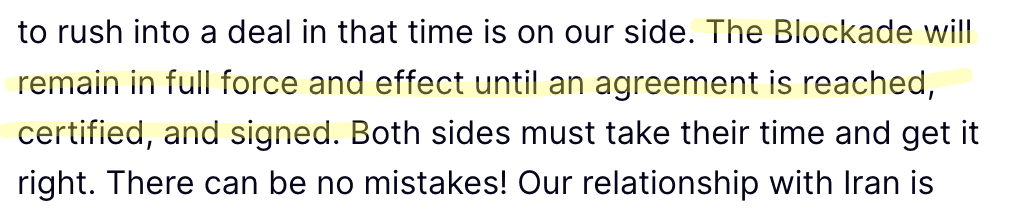
However, the relief rally was cut short as Iranian officials tempered expectations, and President Trump clarified on social media that the U.S. maritime blockade on Iranian shipping would
remain in full force and effect until an agreement is reached, certified, and signed.
Asserting that Washington would not rush the process, the administration's stance has left traders deeply skeptical, keeping ICE Brent and WTI crude highly sensitive to headline diplomacy.
Global 'Red Zone' Looms
The broader risks to the global economy are mounting rapidly. The International Energy Agency (IEA) has issued a stark warning that global oil markets are on track to enter a critical "red zone" by July or August 2026. Tightening global inventories—accelerated by the largest-ever drawdown of U.S. crude reserves—are leaving the global energy supply with virtually no safety cushion against further disruptions.
While higher crude prices have incentivized domestic expansion in the United States, analysts emphasize that increased American shale production cannot scale quickly enough to plug the massive deficit left by the Persian Gulf blockade. As long as the Strait of Hormuz remains a contested military zone, the global energy crisis is projected to deepen, maintaining elevated pressure on inflation, utility costs, and industrial sectors worldwide.